Serving Florida & Texas Since 1987

Clean Swimming Pool: Professional Services and Maintenance Guide
Professional Clean Swimming Pool Services
Introduction
If you want a clean swimming pool all season long, professional maintenance is essential. This comprehensive guide is designed for both residential and commercial pool owners and managers who are seeking expert advice on professional cleaning, maintenance, and safety. Maintaining a clean swimming pool matters for several reasons: it protects the health of swimmers, extends the life of your pool equipment, and preserves or even increases your property value.
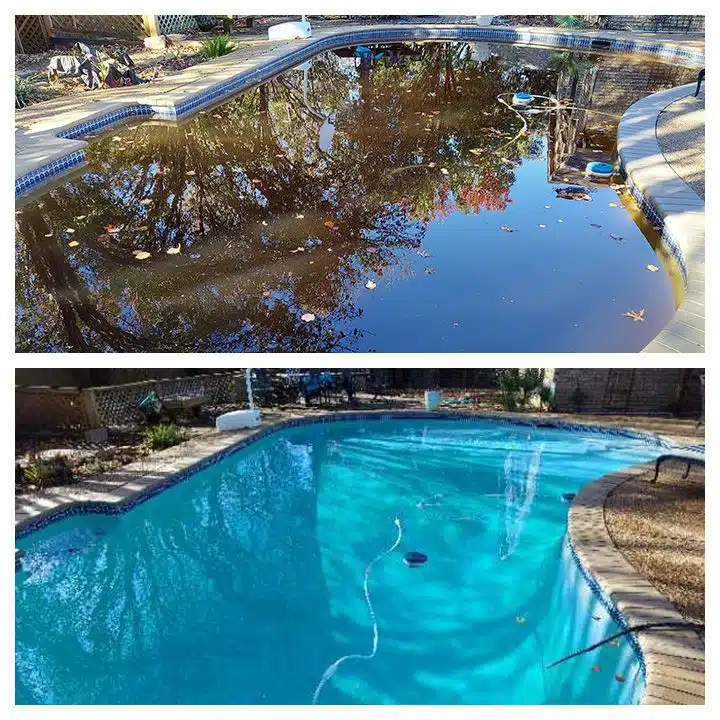
Effective pool cleaning requires routine physical cleaning and chemical balancing to ensure water safety and clarity. Creating and sticking to a regular pool cleaning and maintenance schedule is essential for enjoying crystal-clear swimming pool water every day. Maintaining a clean swimming pool doesn’t have to be a daunting task; establishing a regular cleaning routine can help you enjoy crystal-clear water all season long. A clean pool is a sanitized pool that is free of harmful bacteria and safe for everyone in your family to splash around in.
To clean a pool effectively, regular tasks such as skimming, brushing, vacuuming, and filter cleaning are essential for keeping the water clear and safe.
Patriot Pool and Spa brings together trusted local pool cleaning expertise with the resources and technology of a national network. Our certified technicians handle everything from routine skimmer basket cleaning to comprehensive chemical balancing, ensuring your pool remains safe, beautiful, and functioning properly.
Schedule Your Pool Cleaning Consultation Today!
Why Professional Pool Cleaning is Essential
Pool owners who invest in professional maintenance avoid the costly mistakes that come with DIY approaches. Here’s what expert pool cleaning delivers:
- Health and Safety: Improperly maintained pools become breeding grounds for harmful bacteria, parasites, and algae growth. Between 2007–2008, the U.S. recorded 134 recreational water illness outbreaks affecting approximately 25,000 people. Professional cleaning maintains chlorine levels between 1–3 ppm and pH levels at 7.2–7.8—the precise range that eliminates pathogens while keeping swimmers comfortable. Professional pool cleaning services help maintain proper chemical balance and a safe swimming environment by effectively removing contaminants.
- Equipment Protection: Your pool’s filtration system, pool pump, and heating equipment represent significant investments. Regular maintenance extends equipment life and prevents the premature failures that occur when pool filter systems become clogged or chemical levels corrode internal components.
- Crystal Clear Water: Cloudy pool water signals chemical imbalance, poor circulation, or inadequate filtration. Professional technicians address the root causes—whether that means adjusting chemical levels, servicing cartridge filters, or optimizing water flow—to restore and maintain sparkling clarity.
- Property Value: Well-maintained pools can add 5–8% to home values in warm climates. Conversely, a neglected pool with visible algae growth or damaged surfaces can reduce property value by up to 15%.
- Time Savings: Professional service frees your weekends for swimming instead of cleaning. Commercial properties benefit from regulatory compliance without dedicating staff to complex water chemistry management. Hiring a pool professional ensures expert diagnosis and resolution of pool issues, such as algae infestations and calcium hardness imbalances, and provides expertise that may be lacking in DIY maintenance.
With the importance of professional cleaning established, let’s explore the essential tools and equipment needed for effective pool maintenance.
Pool Cleaning Tools and Equipment
Keeping your swimming pool in top condition starts with the right pool cleaning tools and equipment. Essential items like a pool skimmer, pool brush, pool vacuum, and pool filter work together to ensure your pool water stays inviting and safe.
Pool Skimmer
A pool skimmer is your first line of defense, quickly removing floating debris from the water’s surface before it can sink and cause problems.
Pool Brush
For the pool walls and floor, a sturdy pool brush is indispensable—scrubbing away dirt, algae, and buildup to maintain a smooth, clean surface.
Pool Vacuum
To remove dirt and debris that settle on the pool floor, a pool vacuum—whether manual or automatic—makes the job efficient and thorough.
Pool Filter
The pool filter is crucial for trapping fine particles and contaminants, keeping your pool water crystal clear. Regular use and maintenance of these tools are key to effective pool maintenance, helping you enjoy a pool that looks great and feels even better.
With the right tools in hand, understanding pool water chemistry is the next step to maintaining a clean swimming pool.
Pool Water Chemistry
Balanced pool water chemistry is the foundation of a healthy and enjoyable swimming pool. Monitoring and adjusting your pool’s pH levels, chlorine levels, alkalinity, and calcium hardness ensures that your water remains clear and safe for swimmers.
Sanitizers such as chlorine or bromine are used to keep pool water sanitized. Balanced water is essential for swimmer safety and equipment longevity. Effective pool cleaning requires routine physical cleaning and chemical balancing.
pH Levels
The ideal pH range for pool water is between 7.2 and 7.8. Maintaining this range helps prevent irritation to swimmers and protects pool equipment.
Chlorine Levels
Chlorine levels should be maintained between 1 and 3 ppm to effectively sanitize the water and prevent algae growth.
Alkalinity
Proper alkalinity helps stabilize pH levels, making it easier to maintain balanced water chemistry.
Calcium Hardness
Calcium hardness prevents corrosion and scaling, protecting your pool surfaces and equipment.
Regular pool water testing is essential—imbalanced chemistry can quickly lead to cloudy water, equipment corrosion, and the rapid spread of algae. By keeping a close eye on these parameters and making timely adjustments, you protect both your pool and its users, ensuring a sparkling, inviting environment all season long.
With balanced water chemistry established, the next step is ensuring your filtration system is operating efficiently.
Pool Filtration
A reliable pool filtration system is at the heart of every clean pool. Pool filters work tirelessly to remove dirt, debris, and fine particles from your pool water, ensuring a safe and pleasant swimming experience.
There are three main types of pool filters:
- Sand filters: Use layers of sand to trap contaminants.
- Cartridge filters: Rely on a replaceable porous cartridge to capture debris.
- Diatomaceous earth (DE) filters: Use a fine powder to filter out even the smallest particles.
To maintain optimal performance, it’s important to clean your pool filter regularly according to the manufacturer’s instructions. Whether you have sand filters, cartridge filters, or DE filters, routine maintenance helps your filtration system deliver consistently clean pool water and extends the life of your equipment.
With your filtration system in place, let’s look at how proper circulation supports overall pool cleanliness.
Pool Pump and Circulation
The pool pump and circulation system are essential for keeping your pool water fresh and evenly treated. The pool pump draws water from the pool, pushes it through the filtration system, and returns it back—ensuring that chemicals are distributed evenly and debris doesn’t settle on the pool floor. Proper circulation is key to preventing stagnant areas where algae and bacteria can thrive.
For most pools, running the pool pump for at least 8 hours a day is recommended to maintain effective filtration and water movement. This not only helps prevent debris from accumulating on the pool floor but also supports the overall health of your pool water and filtration system.
With circulation covered, maintaining safety and regular upkeep is the next priority.
Pool Safety and Maintenance
A safe and well-maintained pool is the result of consistent care and attention to detail. Regularly inspecting your pool and its equipment helps identify potential hazards before they become serious issues. Keep the pool area clean and free of debris, and test your pool water frequently to ensure it remains safe for swimming.
Follow essential maintenance tips such as cleaning your pool filter regularly, vacuuming the pool at least once a week, and checking pH levels to maintain balanced water chemistry. By staying proactive with your pool cleaning routine and using the right tools, you can enjoy peace of mind knowing your pool is both safe and sparkling for everyone to enjoy.
Now, let’s dive into the top 10 essential pool cleaning methods every pool owner should know.
Our Top 10 Essential Pool Cleaning Methods
Professional pool maintenance encompasses multiple cleaning techniques that work together to maintain optimal water quality and equipment performance:
1. Surface Skimming
- Daily removal of leaves, insects, and floating debris from the water’s surface using a skimmer net is essential for maintaining the pool’s cleanliness.
- Attaching the skimmer net or other cleaning tools to a telescopic pole allows you to reach all areas of the pool.
- Regular skimming prevents debris from sinking and affecting water quality.
- Skimming the water’s surface daily also helps prevent issues with the filtration system.
2. Wall and Floor Brushing
- Use a pool brush to clean the walls, floors, steps, and ladders of your pool at least once a week.
- Brushing these surfaces helps prevent algae buildup and keeps the pool clean and inviting.
3. Vacuum Cleaning
- Vacuum the pool regularly to maintain a clean swimming environment and enhance the pool’s visual appeal.
- Use a manual pool vacuum for concentrated cleaning of hard-to-reach areas and to remove other debris such as dirt and leaves that automated cleaners might miss.
- Automatic pool cleaners and automatic vacuums operate independently to remove debris from the pool, maintaining the pool’s cleanliness on a preset schedule.
- Robotic pool cleaners can automate both brushing and vacuuming activities, simplifying regular pool maintenance.
4. Filter Maintenance
- Cleaning the pool filter is crucial for maintaining unobstructed water flow and clarity.
- Whether you have sand filters, DE filters, or cartridge filters, always follow the manufacturer’s instructions for backwashing, cartridge rinsing, or DE media replacement.
5. Chemical Balancing
- Maintaining proper water chemistry is essential for a clean and healthy pool environment.
- This includes balancing the pool’s pH, alkalinity, and chlorine levels.
- Test the pool’s pH and adjust total alkalinity first to stabilize pH before adding other chemicals.
6. Pool Shock
- Shocking the pool periodically raises free chlorine levels, killing contaminants and algae.
- This is essential after heavy use, storms, or when chemical levels indicate contamination.
7. Skimmer Basket Cleaning
- Empty the skimmer and pump strainer baskets weekly to maintain proper water flow.
- Regular cleaning prevents clogs that can cause poor water circulation and stagnation.
8. Tile and Waterline Cleaning
- Using a pool cover reduces the amount of debris entering the pool.
- Remove calcium deposits, body oils, and sunscreen buildup from tile grout and waterline surfaces with specialized descaling products to prevent staining and maintain aesthetics.
9. Equipment Inspection
- Inspecting pool equipment such as pumps, heaters, automation systems, salt generators, and plumbing connections is essential for early detection of issues and preventing costly repairs.
10. Water Testing
- Testing your pool water at least once a week is crucial for maintaining proper chemical balance and ensuring a clean and safe swimming environment.
Additional Notes:
- Pool toys can introduce algae spores and other contaminants, especially if they have been in other bodies of water. Clean pool toys before use.
- A garden hose is often used for filling the pool, transferring water, or cleaning filters. Be aware that bacterial buildup inside the hose or adding water can dilute chemicals and affect water balance.
- Manually removing other debris such as dirt and leaves ensures thorough cleaning, especially in areas automated devices may miss.
- Poor water circulation can lead to algae buildup and cloudy water. Ensure your pump and filtration system are operating efficiently.
A clean pool is a sanitized pool—regular maintenance with cleaning keeps your water clear and inviting, preventing the buildup of harmful bacteria and algae.
With these essential cleaning methods in mind, let’s look at how our professional services can help you maintain a clean swimming pool year-round.
Our Pool Cleaning Services
Residential Swimming Pool Cleaning
We create customized maintenance plans for homeowners with pools of all types and sizes—from compact plunge pools to expansive backyard retreats, and everything from traditional chlorine systems to saltwater pools.
- Weekly service for active pools in warm climates with heavy use
- Bi-weekly service for moderate-use pools or seasonal swimmer
- Seasonal packages including winterization and spring opening services
Our residential plans include comprehensive pool water testing, chemical balancing, and equipment inspection to keep your pool safe and inviting year-round.
Commercial Pool Cleaning
Hotels, apartment complexes, HOAs, and fitness centers require professional pool cleaning that meets strict health department regulations. Our commercial services include:
- Compliance with state and local health codes, including Model Aquatic Health Code (MAHC) requirements
- Water testing at least twice daily during public hours, with detailed maintenance logs for inspections
- Flexible scheduling to minimize disruption to guests and residents
- Trained technicians certified in commercial chemical handling and safety protocols
Commercial contracts typically include daily surface cleaning, comprehensive water quality management, and 24/7 emergency response capabilities.
With our service options outlined, let’s walk through our professional pool cleaning process.
Our Professional Pool Cleaning Process
Step 1: Initial Pool Assessment
Every new client relationship begins with a thorough evaluation. Our technicians inspect:
- Current water chemistry using lab-grade testing equipment
- Physical condition of pool surface, tiles, plaster, or liner
- Equipment functionality including pool pump flow rates and heater operation
- Presence of stains, algae, scaling, or leak indicators
- Environmental factors like nearby trees, landscaping, and debris sources
This assessment identifies immediate repair needs and establishes baseline measurements for ongoing monitoring.
Step 2: Customized Cleaning Plan
Based on our assessment, we develop a tailored maintenance schedule addressing:
- Service frequency based on pool usage patterns and bather load
- Cleaning methods appropriate for your pool type and surface materials
- Chemical treatment approach customized for chlorine, saltwater, or alternative sanitization systems
- Seasonal considerations including winterization needs or year-round operation
- Client preferences for service timing and communication
Commercial clients receive plans that ensure regulatory compliance while minimizing operational disruption.
Step 3: Professional Cleaning Service
Our experienced technicians perform comprehensive service using professional-grade equipment:
- Industrial skimmers and robotic cleaners for efficient debris removal
- Calibrated chemical feeders and professional testing instruments
- Specialized brushes and cleaning agents for different surface types
- Complete filter maintenance including backwash procedures or cartridge cleaning
- Thorough equipment inspection with documented findings
Every visit includes precise chemical balancing to maintain optimal performance of your sanitization system.
Step 4: Ongoing Support and Monitoring
Professional pool care extends beyond scheduled visits:
- Service reports documenting chemical readings, maintenance performed, and observations
- 24/7 emergency support for urgent issues like algae blooms, equipment failures, or storm damage
- Seasonal planning for winterization, spring openings, and pre-summer preparations
- Equipment upgrade recommendations including automation systems, variable-speed pumps, or UV sanitization to improve efficiency and reduce long-term costs
With our process explained, see what our customers have to say about our services.
Customer Testimonials
“Our pool has never looked better. The weekly service keeps the water sparkling, and I haven’t had to touch a pool vacuum or test pool water myself in two years. Worth every penny for the peace of mind alone.”
– Sarah T., Austin, Texas
“Managing a 200-unit apartment complex means health inspections are constant. Our Patriot Pool and Spa team handles everything—chemical logs, compliance documentation, and water quality maintenance. We’ve passed every inspection since switching to professional service.”
– Marcus W., Fort Lauderdale, Florida
“I used to spend every Saturday morning with a pool brush and chemicals, never quite getting the pH levels right. Now I spend Saturdays actually swimming. The technicians even caught a pump issue before it became expensive.”
– David R., The Villages, Florida
Frequently Asked Questions
How often should my pool be professionally cleaned?
Active residential pools in warm climates typically need weekly service to maintain optimal water quality.
Several factors affect cleaning frequency:
- Usage intensity: More swimmers means more contaminants requiring treatment
- Surrounding vegetation: Trees and landscaping increase debris load in the pool area
- Weather conditions: Rain, wind, and temperature swings affect chemical balance
- Pool features: Hot tub attachments, waterfalls, or splash pads require additional attention
Commercial pools often require daily service to meet health code requirements, including water testing every four hours during public operation.
What chemicals do you use in pool cleaning?
We use EPA-approved sanitizers and balancing chemicals appropriate for your pool type:
- Sanitizers: Chlorine, bromine, or salt-generated chlorine depending on your system
- pH adjusters: Acids and bases to maintain the 7.2–7.8 range
- Stabilizers: Cyanuric acid to protect chlorine from UV degradation
- Algaecides: Preventive treatments to stop algae growth before it starts
- Clarifiers and flocculants: Products that help remove fine particles causing cloudy water
All chemicals are handled by trained technicians following strict safety protocols. We never mix incompatible chemicals and store all products according to regulatory requirements.
Do you provide emergency pool cleaning services?
Yes. We offer 24/7 emergency response for urgent situations including:
- Algae blooms requiring immediate shock treatment and filtration
- Storm damage with heavy debris accumulation
- Equipment failures causing circulation or sanitation problems
- Chemical imbalances creating unsafe swimming conditions
- Compliance emergencies for commercial pools facing inspection issues
Our emergency teams arrive equipped to test pool water, perform shock treatments, clear debris, and restore your pool to safe operating condition.
Can you clean pools year-round?
In warm climates, year-round service keeps your pool swim-ready every month. In colder regions, we provide:
- Winterization services: Lowering water levels, adding antifreeze to plumbing, covering the pool, and protecting equipment from freeze damage
- Spring opening: Removing pool cover, acid washing if needed, refilling, balancing water chemistry, and restarting all systems
- Off-season monitoring: Periodic checks to prevent debris accumulation, ice damage, or equipment deterioration
Regional climate determines the best approach—our local teams understand seasonal requirements specific to your area.
Contact Us for Professional Pool Cleaning
Get Started Today!
Your pool deserves expert care from professionals who understand local conditions and deliver national-quality results.
Phone: 866-409-9881
Service Areas: Residential and commercial pool cleaning throughout our network
Whether you need weekly residential maintenance, commercial compliance support, or emergency pool service, our teams are ready to help you maintain optimal performance all season long.
Recent News
Why Pool Service In Texas Is Different Than Florida (And What It Means for You)

How Texas Weather Affects Your Swimming Pool: Pool Maintenance Tips

What Does a Pool Service Company Do? Cleaning, Repairs, Maintenance
Essential Texas Pool Maintenance Tips: A Complete Breakdown

How to Troubleshoot Common Pool Problems: Essential Pool Maintenance